
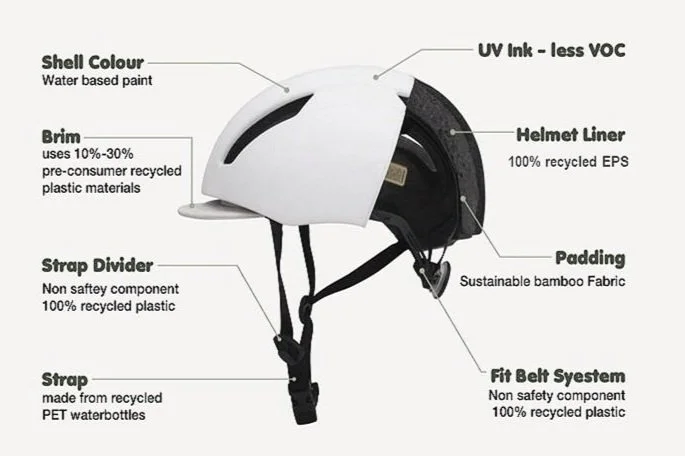
Biodome™ is the concept of “Natural Protection”. Biodome™ helmets can be made up of more than 90% recycled or sustainably sourced materials including recycled injection molded shells, recycled EPS liners, water-based paints and webbing made from recycled PET water bottles.
-

Basalt fiber
Basalt fiber is made from extremely fine fibers of basalt, or volcanic rock. It is 100% inert, non-toxic to air and water, non-flammable, and explosion-resistant. It is used for a composite shell and can substitute for fiberglass.
-
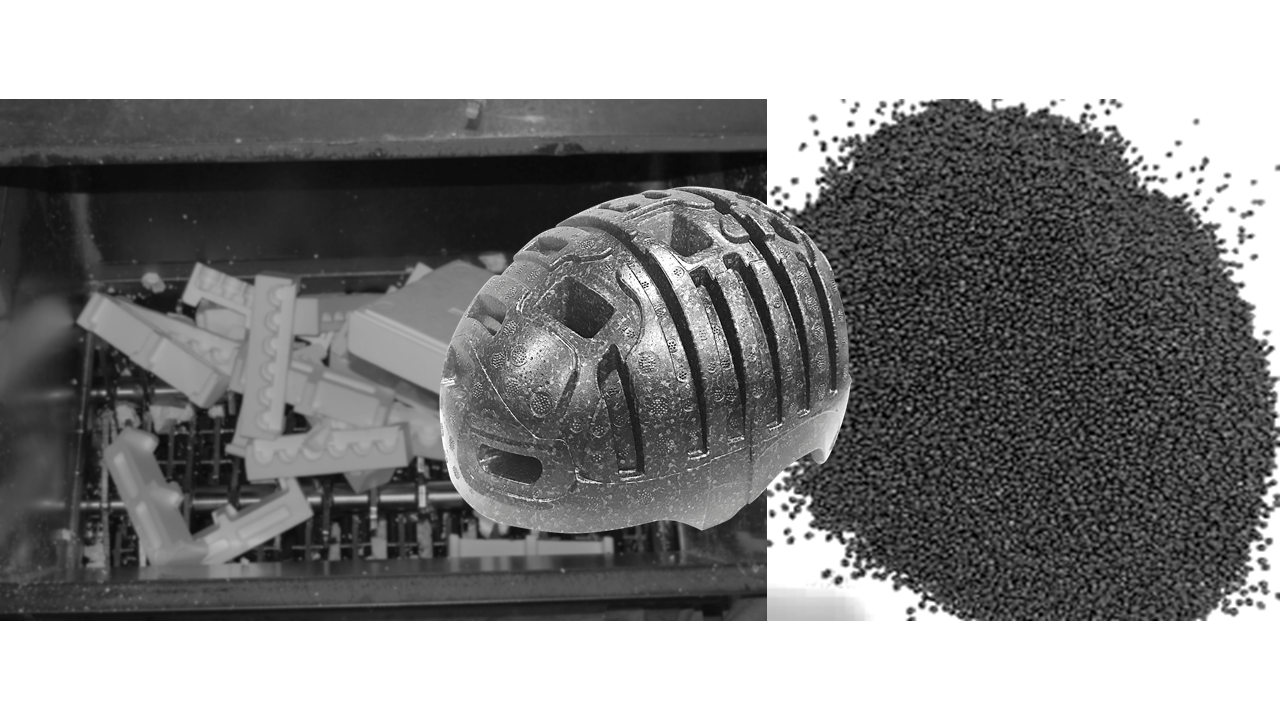
Recycled EPS
We are working with a leading Japanese automaker to collect packaging materials used in transporting delicate auto components. The polystyrene is compressed and then reformulated into pellets that are foamed and molded to the helmet liner.
-
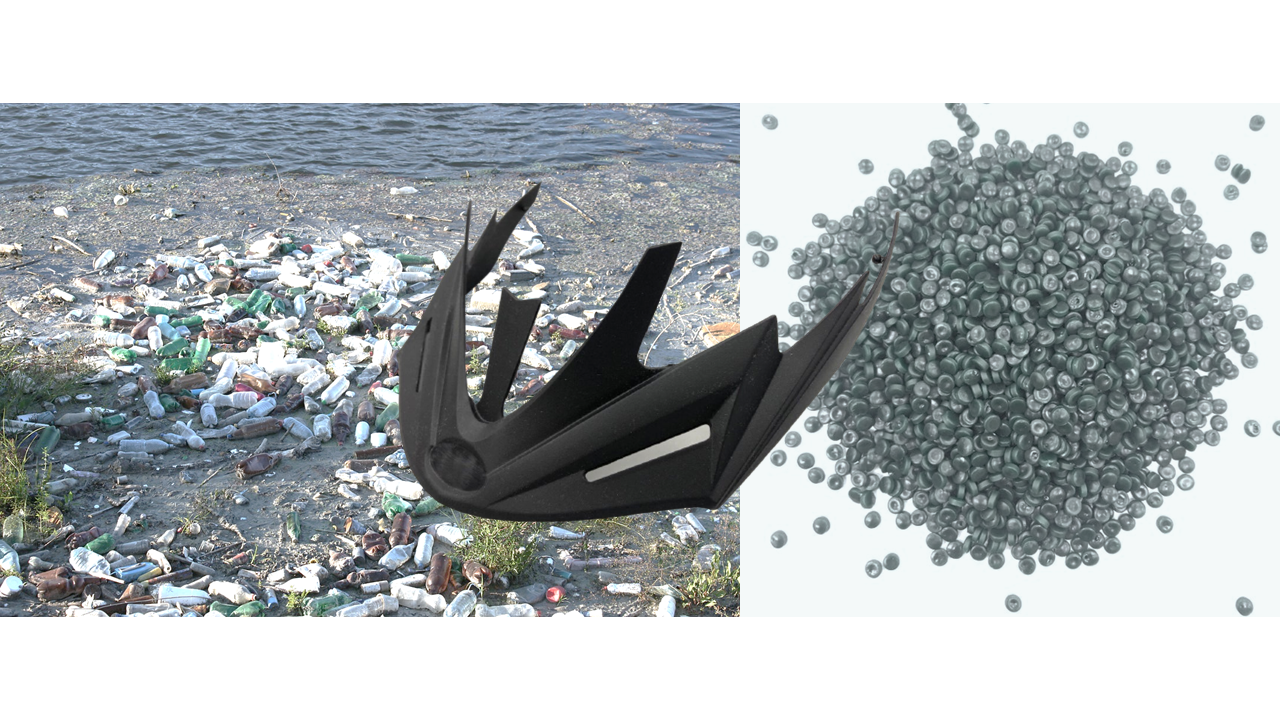
ocean plastic
It is reported that 8 million tons of plastic enters the ocean every year and this inflicts injury, suffocation, and death of sea animals. We are cooperating with U.S. organization to bring in ocean plastics to make non-functional plastic parts.
-
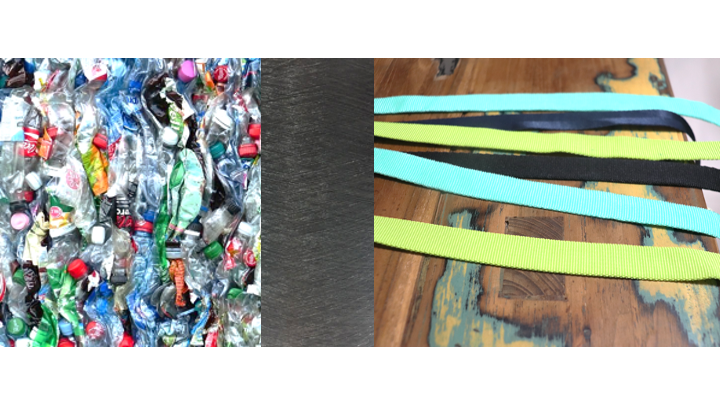
pet water bottle
PET is hugely used in textile industry and causes the most of marine plastic waste. Cleaned and melted PET water bottles are reprocessed to yarns to be woven into straps.
-
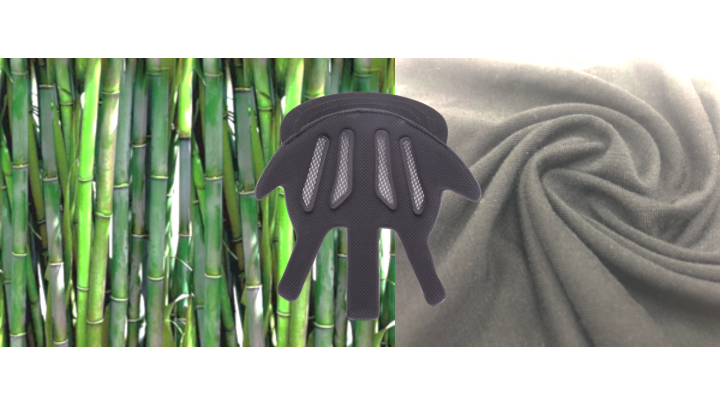
Bamboo fiber
A cellulosic fiber regenerated from bamboo plants is used for inner pads. As an excellent biodegradable textile material, bamboo fiber is 40% more absorbent than even the finest organic cotton, and quickly dry and comfortable.
-

bio rubber
Bio rubber is a mixture of renewable raw materials such as oyster shells, sugar cane, non-edible vegetable oils, oak trees, etc., so reduces the use of petrochemical resources. The first bio-based foam material certified by USDA and 99% allergens free.
-
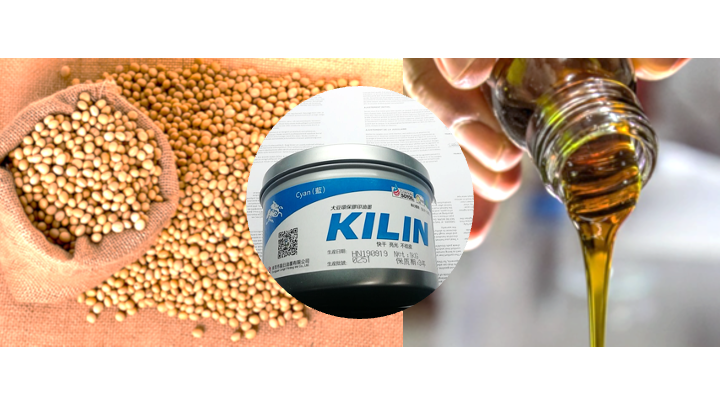
organic ink
Soybean oil ink is used to print out various manuals. It is excellent alternatives to traditional petroleum solvents and fully integrated into the natural environment after decomposition.
-
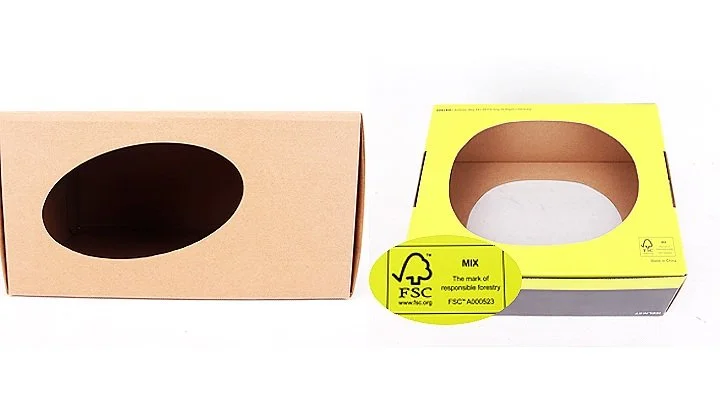
sustainable packaging
Recycled pulp reduces the use of virgin pulp and FSC mark shows environmentally responsible sources. Biodegradable and compostable bags can be also used to reduce toxic gas and easily decompose.